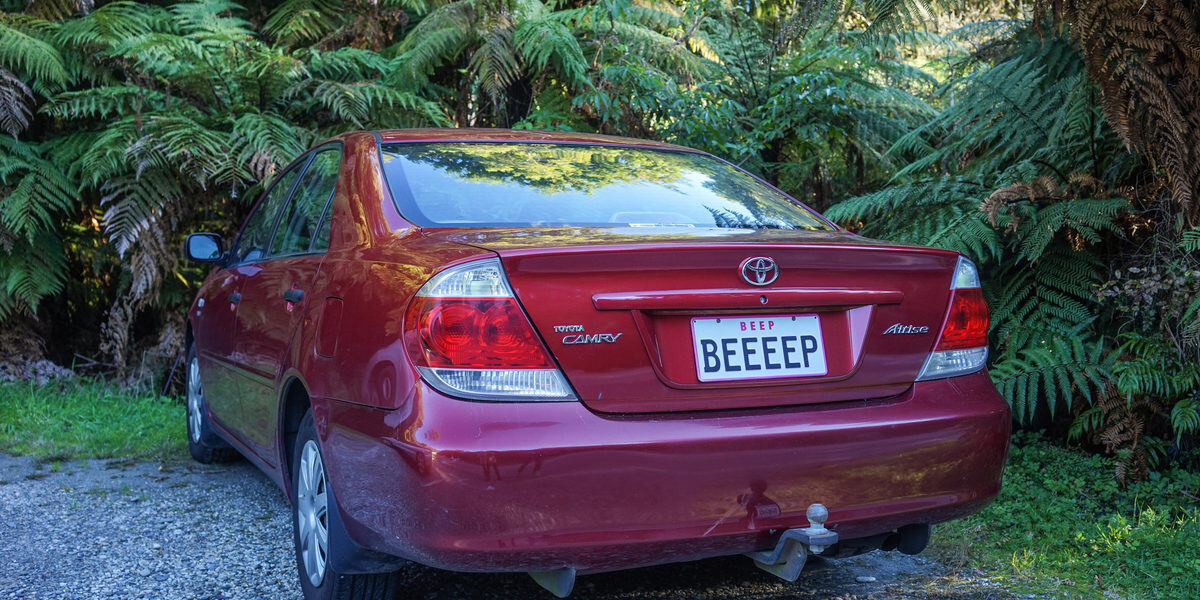
Buying a car privately in New Zealand can be an exciting and cost-effective way to find your dream vehicle. However, it’s important to approach the process with careful consideration to ensure a smooth and satisfactory transaction. In this article, we will explore seven key things to think about when buying a car privately in New Zealand, helping you navigate the process successfully and make an informed decision.
Checklist for buying a car privately in NZ
- ✓ Run a PPSR check to see if finance is owing:www.ppsr.companiesoffice.govt.nz, $3
- ✓ Check the WoF and registration are current
- ✓ Get an independent mechanic inspection
- ✓ Take it for a test drive
- ✓ Verify ownership via the NZTA Motor Vehicle Register
- ✓ Use a secure payment method - bank transfer, not cash
- ✓ Complete the ownership transfer with NZTA and sort insurance
1. Vehicle History Check:
Before committing to a private car purchase, obtain the vehicle identification number (VIN) from the seller and conduct a thorough vehicle history check. Services such as CarJam or AA can provide you with important details, including ownership history, finance owing, reported accidents, and odometer readings. This information will help you assess the vehicle’s legitimacy and make an informed decision.
One of the most important checks is the Personal Property Securities Register (PPSR), which is the official New Zealand government register where lenders record their security interest in a vehicle. If a car has finance owing and the lender has registered their security interest, it will show on the PPSR. You can check at ppsr.companiesoffice.govt.nz for just $3 and it takes about two minutes. If you purchase a car with a security interest showing and the loan isn't cleared, the lender has the right to repossess the vehicle - even from you as the new owner.
2. Warrant of Fitness (WoF) and Registration:
3. Independent Mechanical Inspection:
4. Test Drive and Roadworthy Assessment:
Always take the vehicle for a test drive before finalising the purchase. During the test drive, pay attention to the vehicle’s performance, handling, and responsiveness. Additionally, consider getting a roadworthy assessment from a qualified professional. This assessment evaluates the safety and overall condition of the vehicle, providing you with valuable insights.
5. Ownership and Financial Checks:
To verify vehicle ownership, you can request a Sale and Purchase agreement as proof. However, if it was a private sale, this may not be available.
If you wish to learn the registered owner of a vehicle, you can utilise the Confirm Registered Person service on the website of the New Zealand Transport Agency (NZTA). This will check the Motor Vehicle Register, which is maintained by the NZTA. The register contains information about who legally responsible (referred to as the “registered person”) for a specific motor vehicle, as well as details about the vehicle itself.
6. Secure Payment and Documentation:
Agree upon a secure payment method with the seller, such as a bank transfer or a trusted escrow service. Cash transactions should be avoided due to security risks. Additionally, ensure that all necessary documentation is in order, including the sale and purchase agreement, valid receipt, and the necessary transfer of ownership forms. These documents are essential for legal and ownership purposes.
7. Insurance and Transfer of Ownership:
Consider insurance coverage for the vehicle before driving it off. Inform your insurance provider about the purchase to ensure immediate coverage. Finally, complete the transfer of ownership process by notifying the New Zealand Transport Agency (NZTA). This ensures a smooth transfer of ownership and protects you from any liabilities associated with the vehicle.
Financing a private car purchase
If you're planning to use finance to buy a car privately, there are a few extra things to know. Unlike buying from a dealer, private sales don't come with in-house financing options - so you'll need to arrange finance separately before or during the process. arranging finance separately gives you more flexibility and negotiating power, since you'll know exactly what your budget is before you start looking.
Here's what to factor in when financing a private purchase:
- Get pre-approval before you start looking - this tells you your maximum budget and helps you know your budget before you start looking.
- Fixed interest rates for vehicle loans in NZ range. For example, interest rates via Motor Vehicle Finance at the time of writing this range from 7.95% p.a. to 29.95% p.a. Note - your actual rate will depend on your credit history, the vehicle, and the lender.
- Loan terms typically run from 12 months to 84 months - longer terms mean lower repayments but more interest paid overall
- Fees apply - including an establishment fee of up to $350 and an introducer fee. Always check the full cost of credit before signing
- A secured loan uses the vehicle as security - which can help you get a better rate but means the lender has a registered interest on the PPSR
The Motor Vehicle Finance team assesses your situation and works to match you with a suitable lender from our panel. Start your enquiry and we'll do the legwork. Subject to eligibility and lender criteria.
Frequently asked questions (FAQ)
Do I need to do a PPSR check when buying privately?
Yes - absolutely. A PPSR check is one of the most important steps when buying any used vehicle in New Zealand. It confirms whether any finance is registered against the car. If you skip it and buy a car with an undisclosed loan, the lender can legally repossess the vehicle from you. A check costs $3 at ppsr.govt.nz and takes minutes.
What is a WoF and does a privately sold car need one?
A Warrant of Fitness (WoF) confirms that a vehicle meets New Zealand's minimum safety and environmental standards at the time of inspection. For vehicles manufactured before 2000, a WoF is required every six months. For newer vehicles, it's annual. A private seller is not legally required to provide a current WoF at the time of sale, but you should factor the cost of obtaining one into your purchase decision.
How do I check who owns a car in NZ?
You can use the Confirm Registered Person service on the NZTA website to check who is the registered person (legal owner) of a vehicle. You'll need the vehicle's plate number or VIN. This is separate from a PPSR check - the PPSR tells you about finance, while the NZTA register tells you about ownership.
What's the safest way to pay for a private car sale?
Bank transfer is the safest and most common method. Avoid cash where possible - it leaves no trail if something goes wrong. Some buyers and sellers use an escrow service as a neutral third party. Never hand over money until you've completed your checks and you're confident the sale is legitimate.
Can I get finance for a private car purchase in NZ?
Yes. Many NZ lenders will finance private car purchases, though the process is slightly different from dealer purchases. You'll typically need to arrange pre-approval first. Motor Vehicle Finance assesses your situation and works to match you with a suitable lender from our panel. Subject to eligibility and lender criteria.
What documents do I need to transfer ownership of a car in NZ?
You'll need to notify the NZTA of the ownership change, which can be done online at nzta.govt.nz. You'll need the vehicle's plate number and the seller's details. Both buyer and seller should keep a copy of any sale and purchase agreement. Once the transfer is complete, make sure your insurance is updated to reflect the new vehicle.
When buying a car privately in New Zealand, it's crucial to consider factors such as vehicle history checks, WoF and registration, independent inspections, test drives, ownership and financial checks, secure payment methods, documentation, insurance, and the proper transfer of ownership. By taking these steps a conducting due diligence, you can confidently navigate the private car buying process in New Zealand and make a well-informed decision.
Ready to get behind the wheel?
Start your enquiry online or get in touch with the team. We'll assess your situation and work to match you with a suitable lender. Subject to eligibility and lender criteria.
You might also find helpful:
Disclaimer: Please note that the content provided in this article is intended as an overview and as general information only. While care is taken to ensure accuracy and reliability, the information provided is subject to continuous change and may not reflect current developments or address your situation. Before making any decisions based on the information provided in this article, please use your discretion, and seek independent guidance. Motor Vehicle Finance is a trading name of One Partner Limited (FSP403346), which holds a Class 2 Financial Advice Provider Licence issued by the Financial Markets Authority.